
Metal Education
Precious Metals
Precious metals have been used in fine jewelry for centuries, admired for their beauty, strength, and lasting value. Gold, platinum, palladium, and silver each offer a distinct look and feel, giving you options when choosing a piece that fits your style, lifestyle, and budget.
Whether you prefer the classic warmth of yellow gold, the bright white tone of platinum, the modern appeal of palladium, or the timeless shine of sterling silver, understanding each metal can help you make a more confident jewelry decision.

Platinum
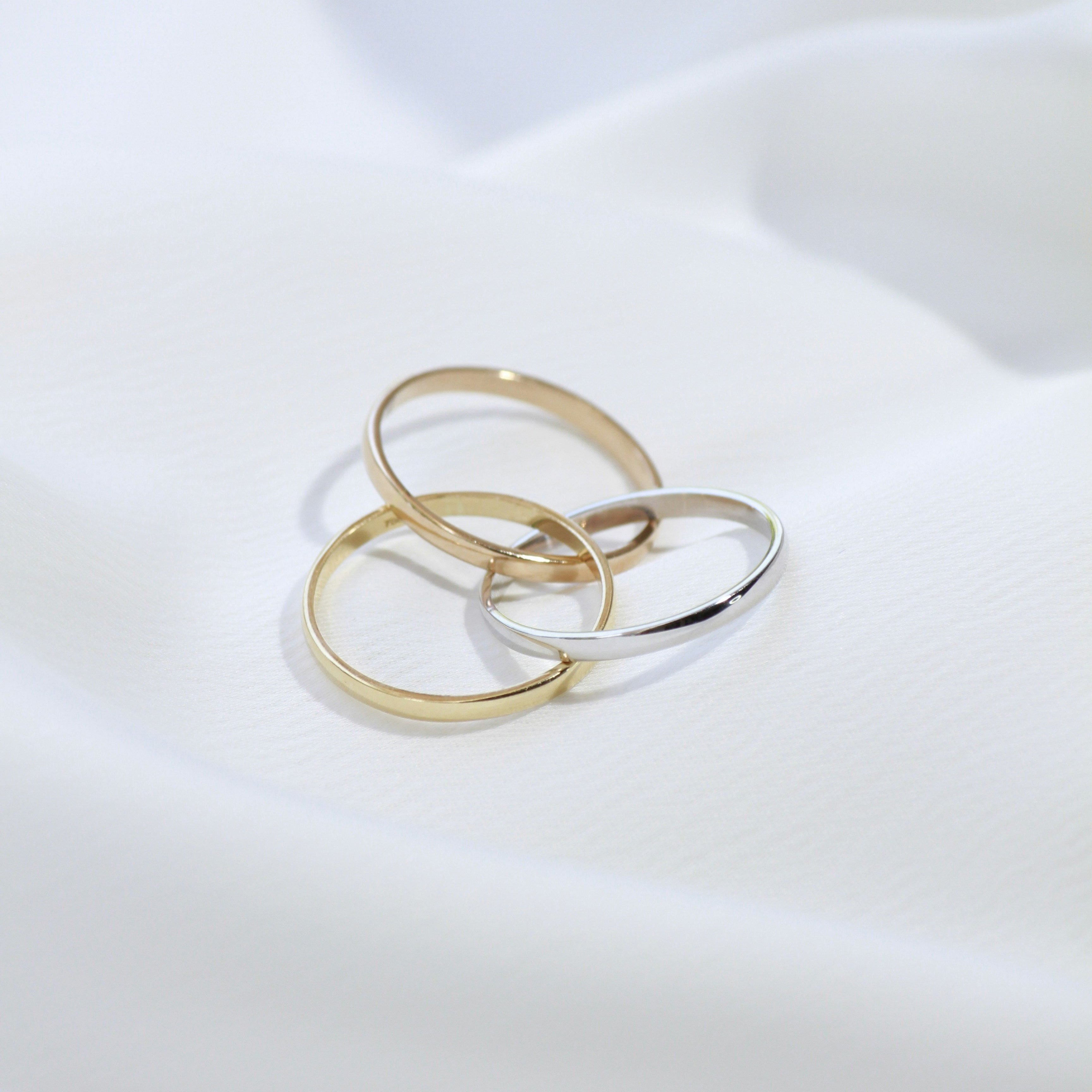
Platinum is one of the most sought after metals in fine jewelry, known for its naturally white color, strength, and durability. Unlike white gold, which is often plated with rhodium to enhance its brightness, platinum has a naturally white tone that does not require plating.
Because of its strength, platinum is often used for engagement rings and other jewelry designed for everyday wear. It holds gemstones securely and develops a soft, natural patina over time, giving each piece its own character.
Platinum is also a popular choice for those who want a metal that feels substantial, elegant, and timeless. Its cool white color pairs beautifully with diamonds and nearly every gemstone.
Gold
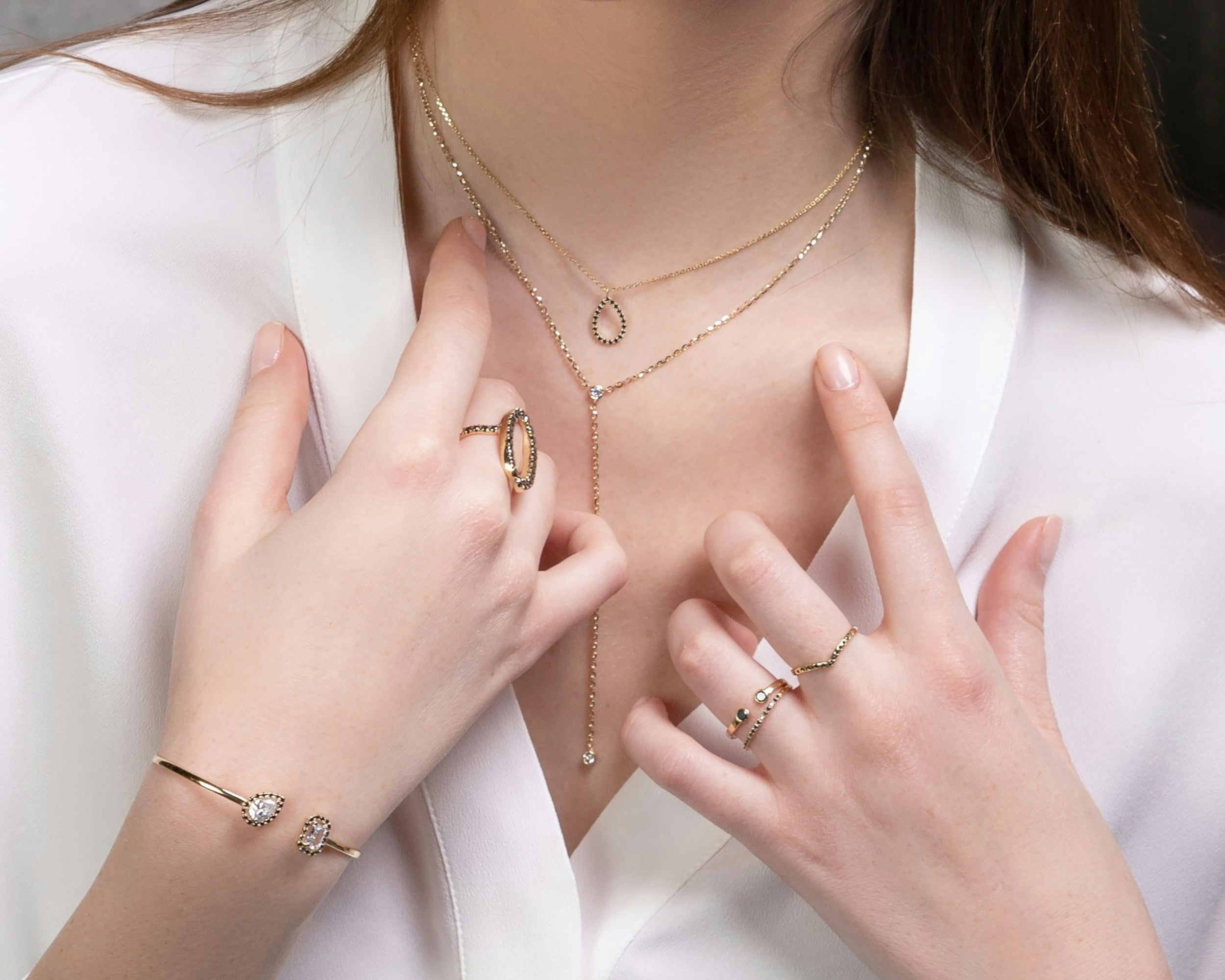
Gold has always been one of the most beloved metals in jewelry. Its rich history, versatility, and lasting value make it a classic choice for rings, bracelets, necklaces, earrings, and more.
Gold is available in several colors, with yellow gold, white gold, and rose gold being the most popular. Yellow gold has a warm, traditional look. White gold offers a bright, modern appearance. Rose gold has a soft blush tone that feels romantic and distinctive.
Gold jewelry is also available in different karats, which measure the amount of pure gold in the metal. The higher the karat, the more pure gold the piece contains. Because pure gold is soft, it is often mixed with other metals to improve strength and durability for everyday wear.

Palladium
Palladium is a member of the platinum metal family and is known for its silvery white color, lightweight feel, and natural brightness. It has become a popular choice for jewelry because it offers a clean, modern look without the need for rhodium plating.
Palladium is also hypoallergenic, making it a good option for people with sensitive skin. It is lighter than platinum, which can make it especially comfortable for rings and other pieces worn every day.
Like all fine jewelry metals, palladium should be cared for properly. It is best to remove palladium jewelry before swimming, especially in chlorinated pools, and to store it separately in a soft pouch or cloth to help prevent scratches.
Silver
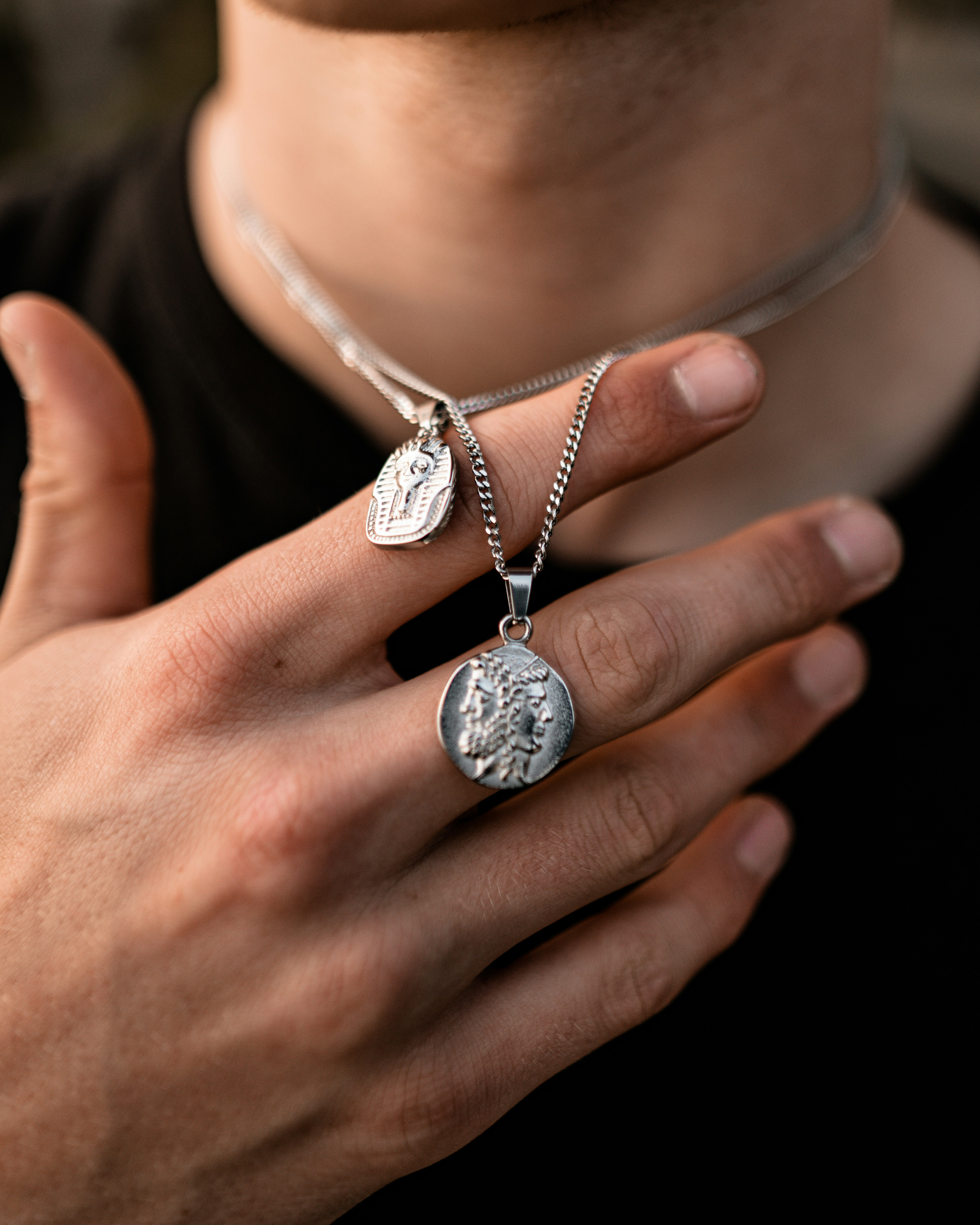
Silver has been used in jewelry and decorative pieces for generations. Its bright shine, approachable price point, and timeless appeal make it one of the most familiar and versatile precious metals.
Most silver jewelry is made from sterling silver, which contains 92.5 percent silver and 7.5 percent other metals, usually copper. This blend gives silver added strength while maintaining its beautiful shine.
Sterling silver can be worn with both casual and formal styles, making it an easy everyday choice. Because silver can tarnish over time, regular cleaning and proper storage will help keep it looking bright. Store silver pieces in a soft pouch or jewelry box and avoid exposing them to harsh chemicals when possible.