
Diamond Education
Diamond Education
Buying a diamond is a meaningful purchase, and the right information can make the experience feel much easier. Whether you are choosing an engagement ring, anniversary gift, or special piece of jewelry, understanding the basics will help you compare options with confidence. Diamonds are graded using four main factors known as the 4Cs: cut, color, clarity, and carat weight. Each one plays a role in the beauty, value, and overall appearance of a diamond. Learning how these qualities work together can help you choose a stone that fits your style, budget, and occasion.
Diamond Shapes
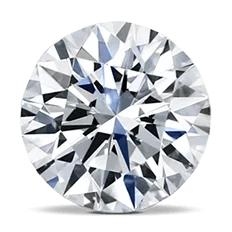
Round
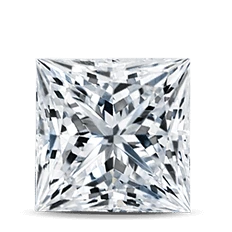
Princess
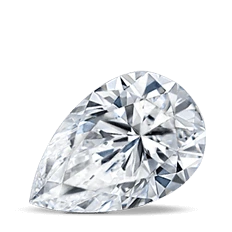
Pear
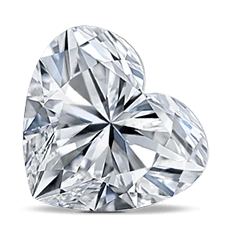
Heart
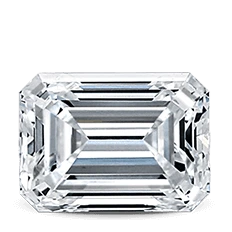
Emerald
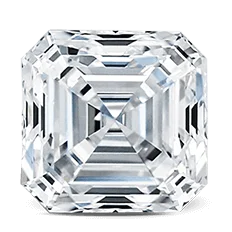
Assher
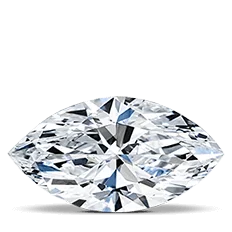
Marquise
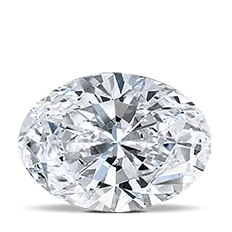
Oval
Diamond Cut
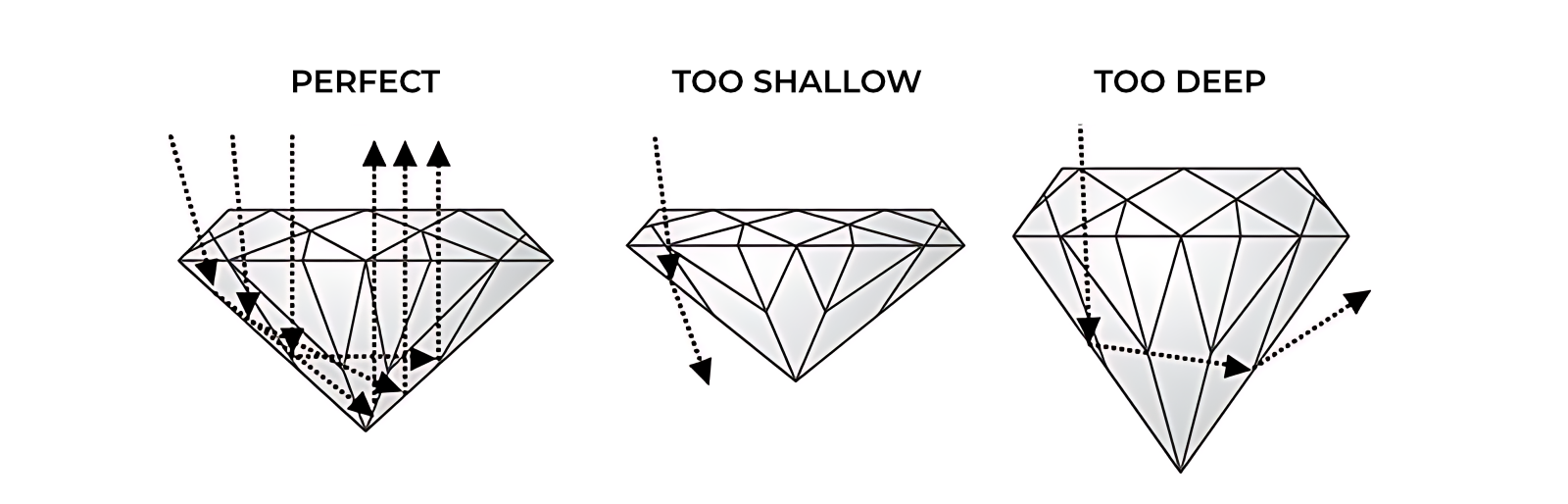
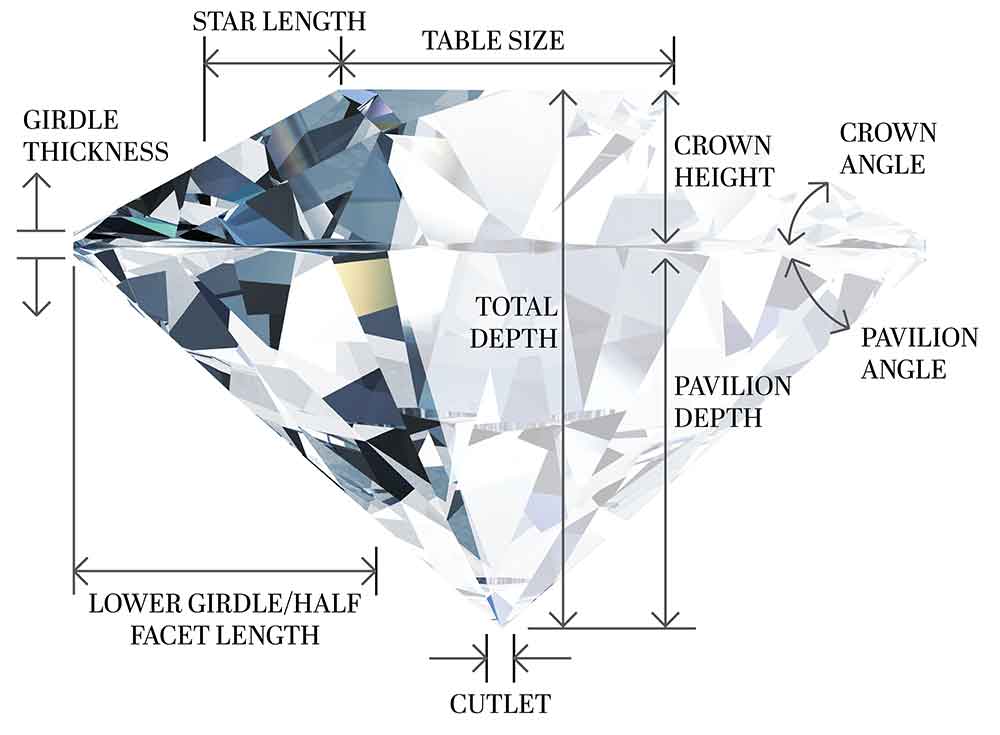
Cut is one of the most important factors in a diamond’s beauty. While many people think cut refers to the diamond’s shape, it actually refers to how well the stone has been proportioned, faceted, and polished.
A well-cut diamond reflects light beautifully, creating the sparkle and brilliance diamonds are known for. Even a diamond with excellent color and clarity can appear dull if it is poorly cut. A carefully cut diamond allows light to move through the stone properly, giving it life, fire, and shine.
The round brilliant diamond is one of the most popular cuts because it is designed to maximize sparkle. It typically features 58 facets, each carefully placed to reflect light. Choosing a diamond with a strong cut grade can make a noticeable difference in how bright and lively the stone appears.


Diamond Color
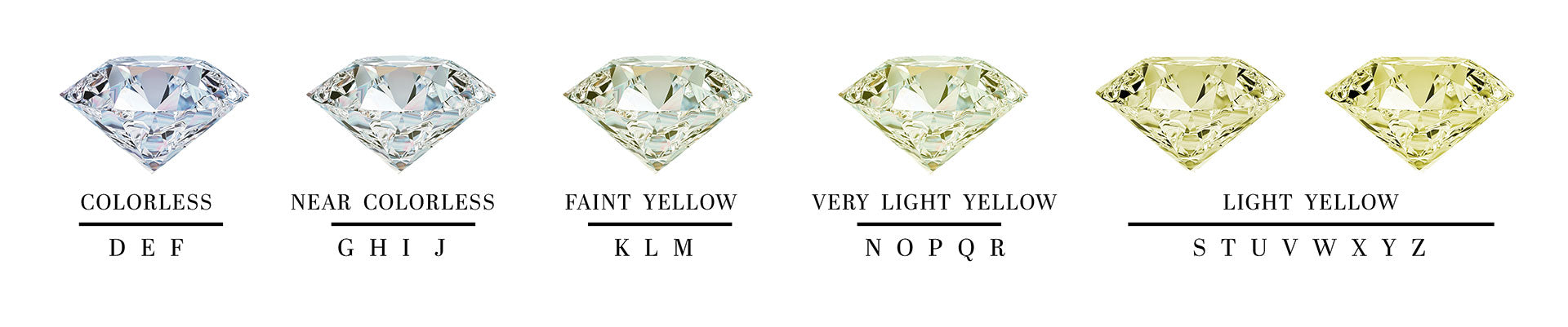
Diamond color is graded on a scale from D to Z. A D color diamond is considered colorless, while diamonds farther down the scale may show warmer tones of yellow or brown.
Colorless diamonds are rare and often more valuable, but that does not mean they are the only beautiful option. Many near-colorless diamonds appear bright and white, especially once they are set in jewelry. The metal color of the setting can also affect how the diamond looks. For example, diamonds in the G to J range can appear very white when set in white gold or platinum.
Some diamonds are valued specifically for their color. Fancy color diamonds, including yellow, pink, blue, champagne, and black diamonds, offer a more distinctive look and have become increasingly popular for people who want something unique.
D to F: Colorless diamonds. These are rare and highly valued.
G to J: Near-colorless diamonds. These often appear white once set in jewelry.
K to M: Diamonds with a warmer tone. These may show a visible yellow or brown tint, especially in larger stones.
Diamond Clarity
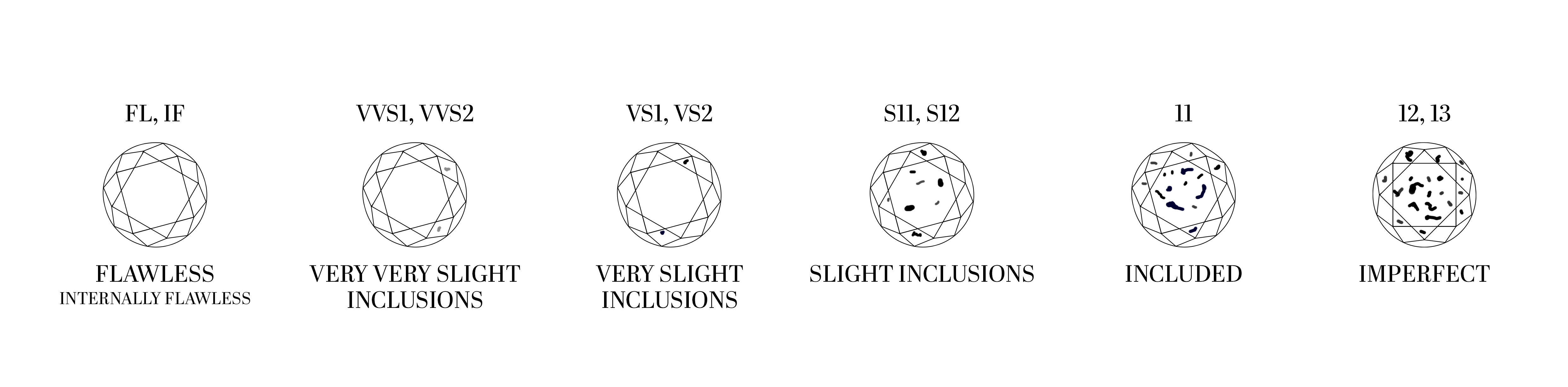
Clarity refers to the natural characteristics found inside or on the surface of a diamond. Internal characteristics are called inclusions, while surface characteristics are called blemishes.
Most diamonds have some clarity characteristics because they are formed deep within the earth under extreme heat and pressure. Many of these are microscopic and cannot be seen without magnification. A flawless diamond is very rare, which makes it more expensive.
For many buyers, the goal is not necessarily to find a flawless diamond, but to find one that looks beautiful to the naked eye. A diamond with small inclusions can still appear clean, bright, and stunning when worn. Understanding clarity helps you balance beauty and value, especially when working within a specific budget.
Diamond Carat Weight

Carat weight measures how much a diamond weighs. While larger diamonds are often more valuable, carat weight is only one part of the full picture. Cut, color, and clarity also affect the overall value and appearance of the stone.
Two diamonds with the same carat weight can look very different depending on their shape and cut. A well-cut diamond may appear larger and brighter than a poorly cut diamond of the same weight. This is why it is important to consider all of the 4Cs together instead of focusing only on size.
When choosing a diamond, think about the wearer’s style, lifestyle, preferred setting, and budget. A larger diamond is not always the better choice. The right diamond should feel balanced, beautiful, and comfortable for everyday wear.